Akihito
125th Emperor of Japan; reigned during the Heisei era.

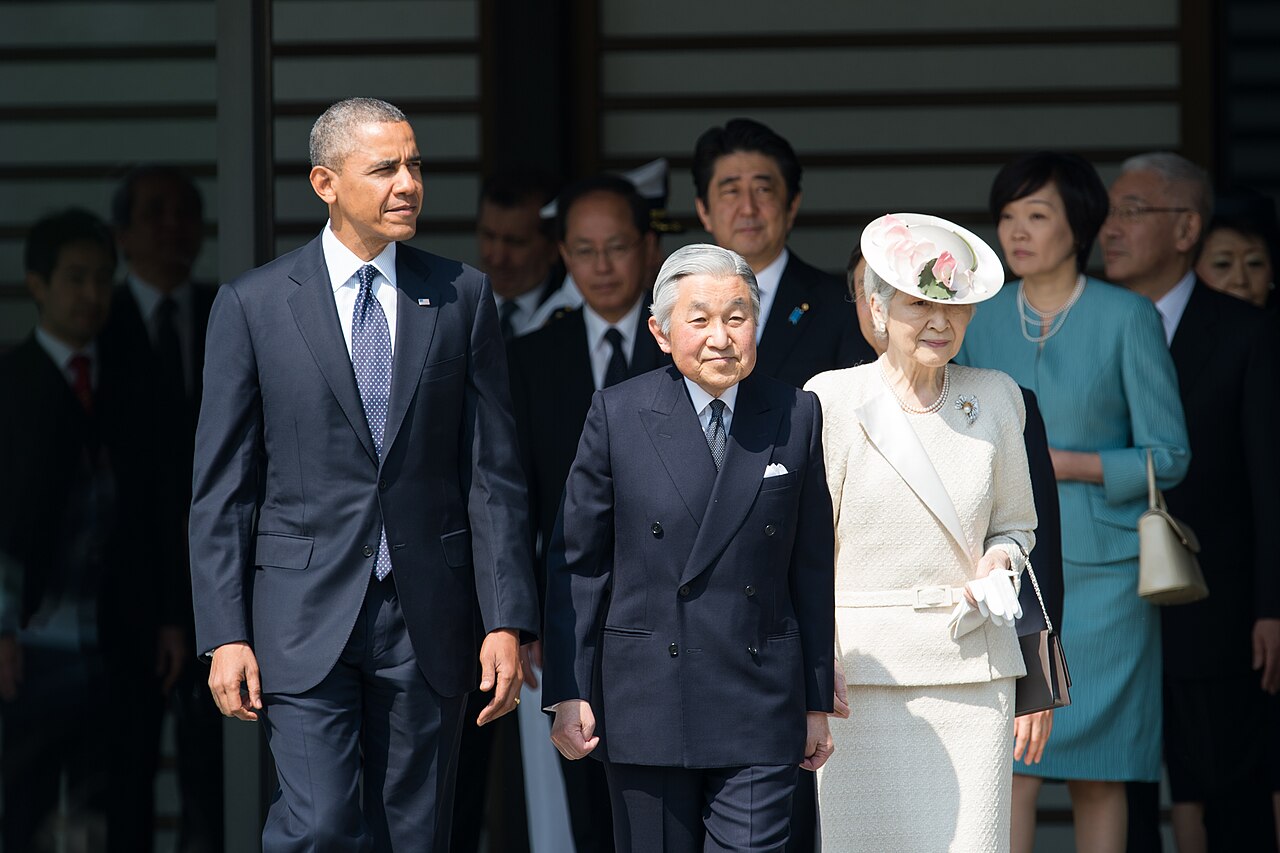
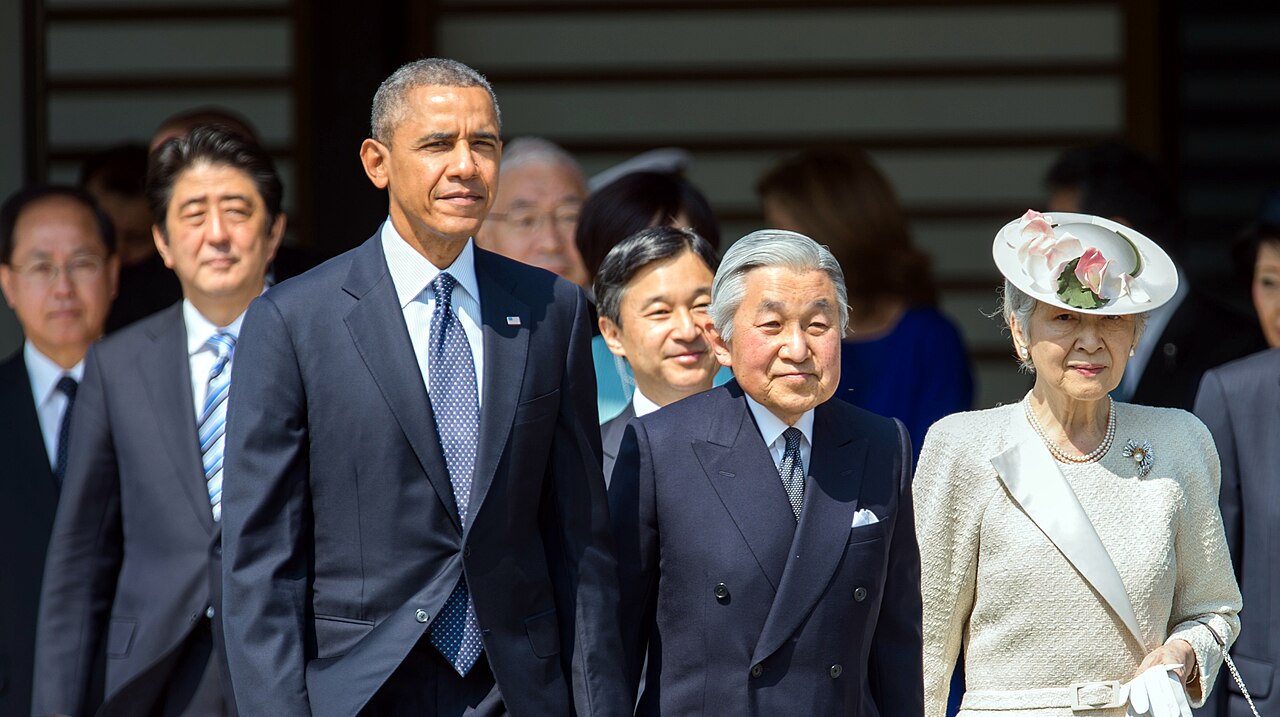
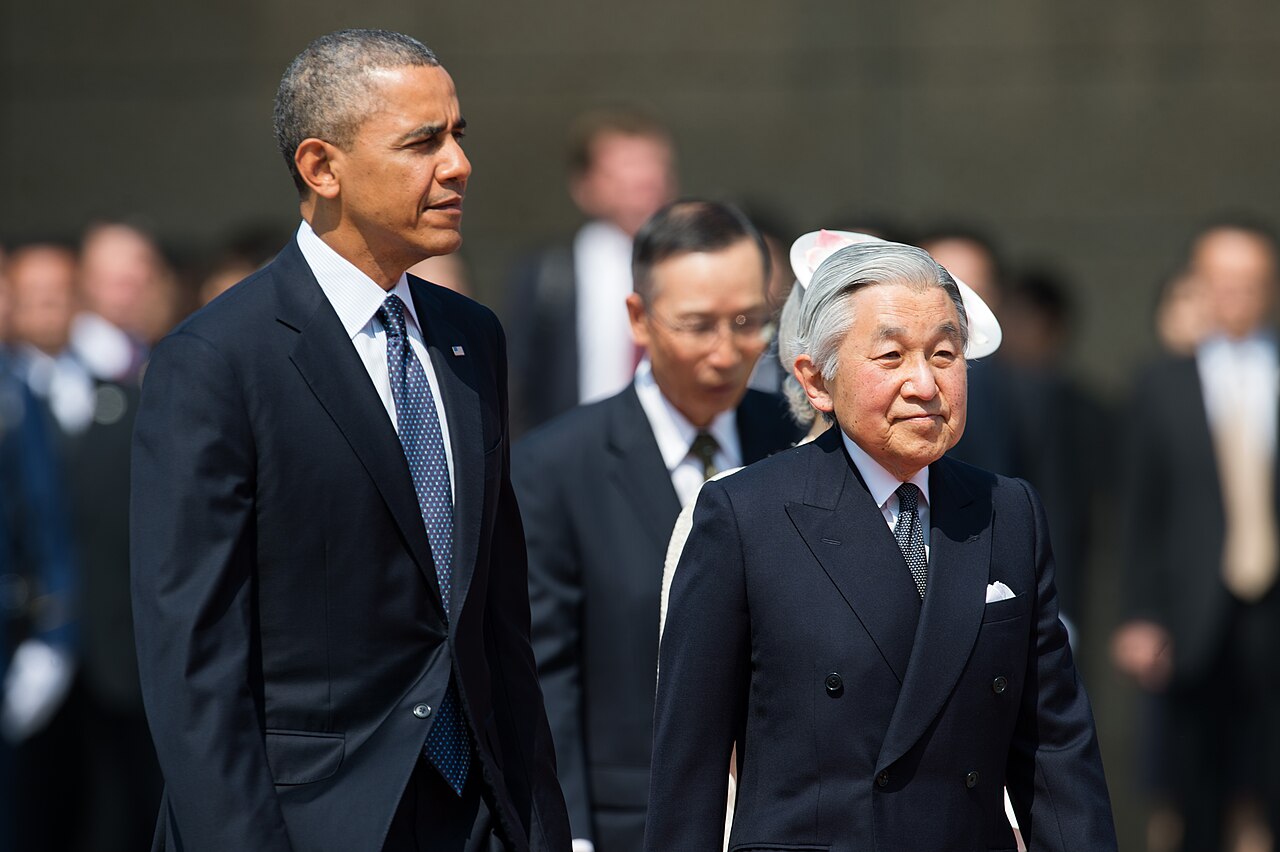
State Department photo by William Ng / Public domain East Asia and Pacific Media · Public domain
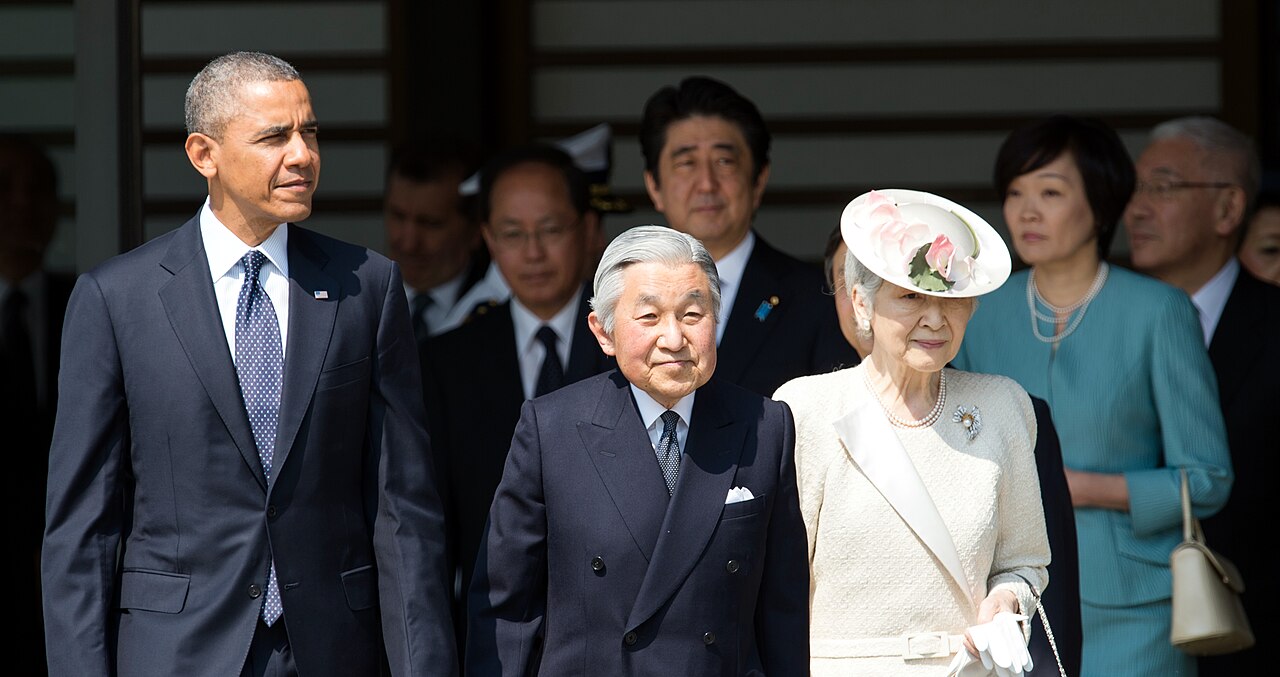
Akihito (born 23 December 1933) is a member of the Imperial House of Japan who served as the 125th emperor of Japan from 7 January 1989 until his abdication on 30 April 2019. The period of his reign is called the Heisei era, a name meant to express the goal of achieving peace worldwide. He is known for working to make the imperial family more approachable to the Japanese public.
During his reign, Akihito was never referred to by his personal name. Instead, he was called "His Majesty the Emperor," "the Emperor," or "His Majesty." The era name for his rule was Heisei, and after his death, he will be posthumously renamed Emperor Heisei, a title formally conferred as his posthumous name. Following his abdication, he holds the title of Jōkō, officially translated as "Emperor Emeritus."
Akihito was born on 23 December 1933 at 6:39 am in the Tokyo Imperial Palace, the fifth child and first son of Emperor Hirohito and Empress Kōjun. As a child, he was titled Prince Tsugu. He was taught by private tutors and later attended the Peers' School from 1940 to 1952. At his father’s request, he did not become an army officer, unlike earlier emperors. During World War II, he and his younger brother were evacuated from Tokyo during the American firebombing raids in March 1945 and stayed in Nikkō until Japan’s surrender. During the Allied occupation, he learned English and Western manners from Elizabeth Gray Vining. He briefly studied political science at Gakushuin University but did not earn a degree. His formal investiture as crown prince took place on 10 November 1952. In June 1953, he represented Japan at the coronation of Queen Elizabeth II in London, his first trip abroad. He finished his university education as a special student in 1956.
In August 1957, Akihito met Michiko Shōda on a tennis court in Karuizawa. The relationship faced opposition because Shōda was considered too low-class and had been educated in Catholic schools. In September 1958, she was sent to Brussels for a conference, but Akihito kept in touch by sending messages through King Baudouin of Belgium, who later helped negotiate the marriage. The Imperial Household Council approved the engagement on 27 November 1958. Traditionalist groups opposed it because Shōda came from a Catholic family, though she was never baptized. Rumors also suggested that Akihito’s mother, Empress Kōjun, opposed the match. The
- born
- 23 December 1933
- field
- Monarch
- nationality
- Japanese
- known_for
- 125th Emperor of Japan; Heisei era; first abdication in over two centuries; longest-lived verifiable Japanese emperor
Lore & Background
Akihito was born as the fifth child and first son of Emperor Hirohito and Empress Kōjun. During World War II, he moved out of Tokyo with his classmates and remained in Nikkō until the surrender of Japan. He was tutored in English and Western manners by Elizabeth Gray Vining during the Allied occupation. In 1952, his Coming-of-Age ceremony and investiture as crown prince were held, and he began official duties. The next year, he represented Japan at the coronation of Elizabeth II in London. He studied as a special student at Gakushuin University but did not earn a degree, completing his studies in 1956.
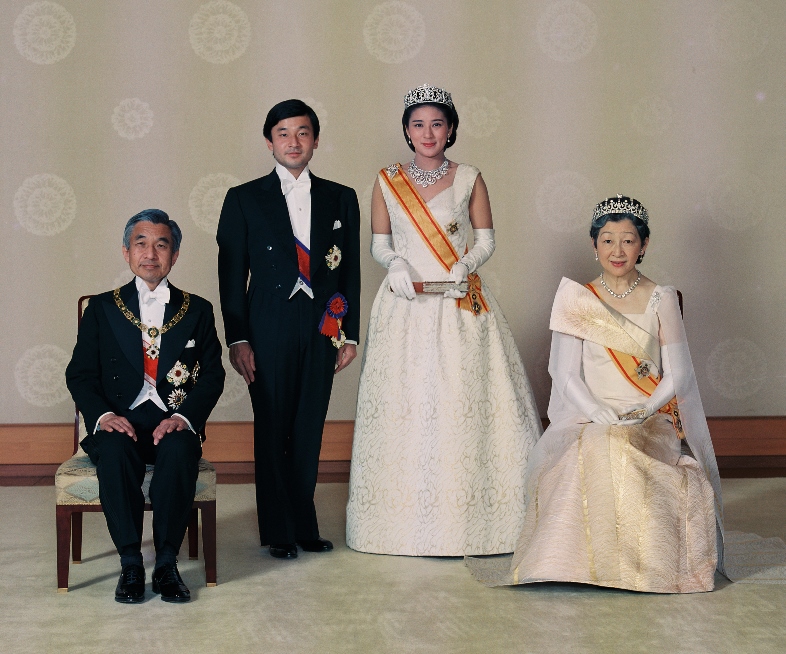
In April 1959, he married Michiko Shōda, a commoner, in the first imperial wedding to be televised in Japan, drawing about 15 million viewers. The couple has three children: Naruhito, Fumihito, and Sayako. As crown prince, he made official visits to thirty-seven countries and expressed a desire to
Reader's Guide
Akihito's reign marked a significant shift in the Japanese imperial institution, emphasizing reconciliation and proximity to the people. His expressions of remorse to Asian countries, including a historic visit to China in 1992, helped improve Japan's post-war diplomatic relations. By visiting war memorials in Japan and abroad, including Saipan, he acknowledged the suffering of all sides in World War II. His decision to abdicate in 2019, citing age and health, was the first abdication by a Japanese emperor in over two centuries and required a special law. His marriage to a commoner broke over 2,600 years of tradition and was widely seen as modernizing the monarchy. At age 92, he is the longest-lived verifiable Japanese emperor in recorded history. His legacy includes a more accessible imperial family and a reign focused on peace, as reflected in the Heisei era name.
Did You Know?
- Akihito was the first Japanese emperor to marry a commoner, breaking more than 2,600 years of tradition.
- He represented Japan at the coronation of Queen Elizabeth II in London in 1953.
- He made the first visit to China by a Japanese emperor in October 1992.
- He abdicated on 30 April 2019, the first Japanese emperor to do so in over two centuries.
From Palace Walls to a Postwar Classroom
Born in the early morning hours of 23 December 1933 at the Tokyo Imperial Palace, Akihito entered the world as the fifth child and eldest son of Emperor Hirohito and Empress Kōjun. As a young boy he carried the title Prince Tsugu and was first shaped by private tutors before joining the Peers' School, where he studied from 1940 through 1952. Notably, at his father's direction he was never commissioned as an army officer, a deliberate break from the path of his predecessors. When the American firebombing of Tokyo intensified in March 1945, he and his younger brother Masahito were evacuated from the capital, and he spent the remainder of the war in Nikkō alongside classmates. In the postwar occupation period, an American tutor named Elizabeth Gray Vining coached him in English and Western social customs. He later attended Gakushuin University's political science department as a special student but did not complete a formal degree, finishing his university studies in 1956. His formal investiture as crown prince took place on 10 November 1952, and the following June he represented Japan at the coronation of Queen Elizabeth II in London, his first trip abroad.
The Tennis-Court Romance and a 2,600-Year First
In August 1957, Crown Prince Akihito met Michiko Shōda on a tennis court in Karuizawa, near Nagano. The pairing drew skepticism: Shōda was a commoner from a Catholic-educated family, and many in the establishment regarded her as too low in standing for the heir to the throne. By September 1958 she had been sent to Brussels for an Alumnae du Sacré-Cœur conference, yet the prince refused to let distance sever their bond. He reached out to King Baudouin of Belgium, asking the young monarch to relay his messages. Baudouin went further, personally negotiating with the Emperor and arguing that a happy Crown Prince would grow into a better emperor. The Imperial Household Council gave formal approval on 27 November 1958, though traditionalist circles still protested over Shōda's Catholic background. Japanese media, by contrast, embraced the story as a fairy tale born on a tennis court. When the wedding took place on 10 April 1959, it became the first imperial ceremony ever broadcast on Japanese television, drawing roughly fifteen million viewers. The union shattered more than 2,600 years of unbroken tradition by bringing a commoner into the Imperial Family, and the couple went on to have three children: Naruhito, Fumihito, and Sayako.
Three Decades of Reaching Every Prefecture
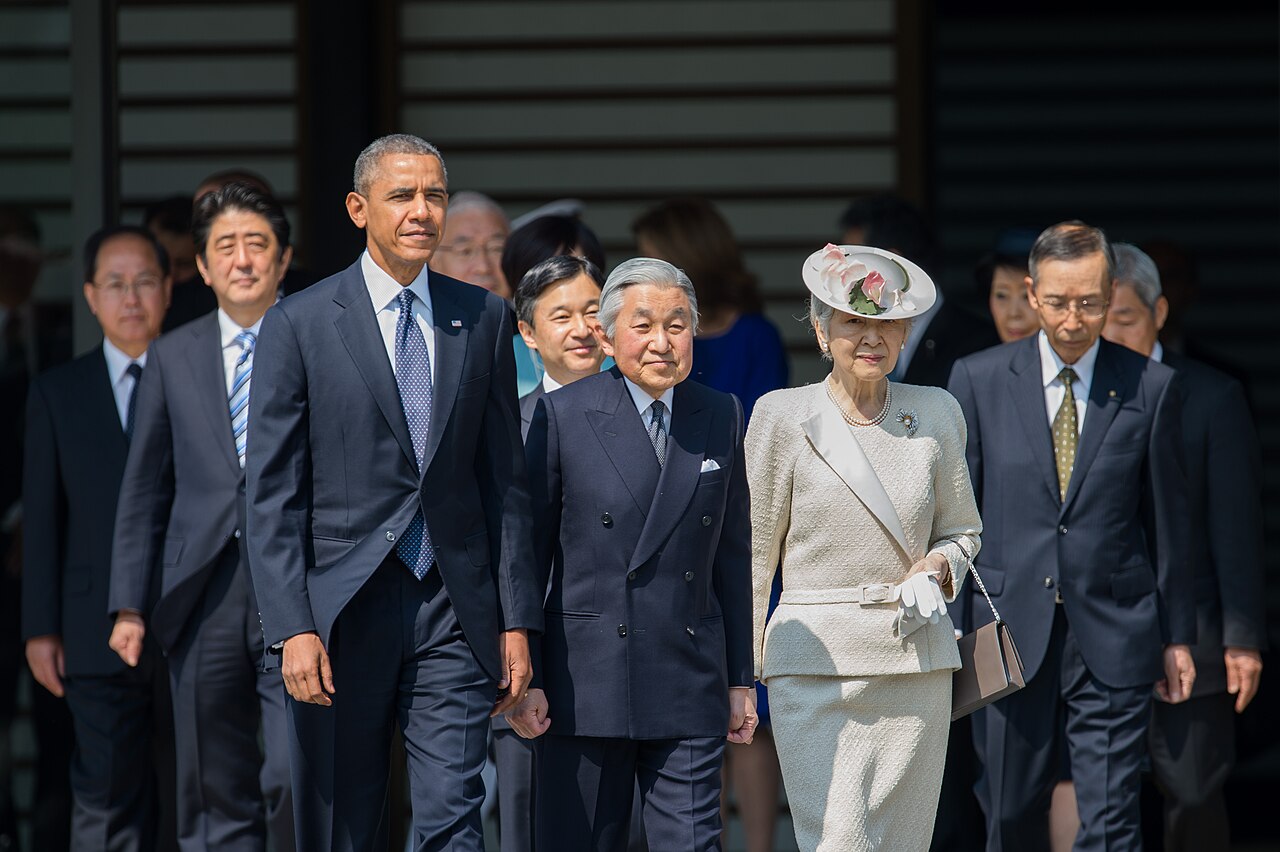
When Emperor Hirohito died in January 1989, Akihito ascended to the Chrysanthemum Throne as Japan's 125th emperor, with a formal enthronement ceremony following in 1990. The era of his rule was named Heisei, a term meaning the achievement of peace worldwide. One of his defining priorities was to draw the imperial institution closer to ordinary citizens. Over the course of his thirty-year reign he undertook official visits to all forty-seven prefectures of Japan as well as to many of the country's remote islands, a deliberate effort to make the monarchy feel present and accessible rather than distant and ceremonial. Beyond his public duties, Akihito cultivated a deep personal interest in natural life and conservation, alongside a broad curiosity about Japanese and world history. His reign spanned a period of considerable political turnover: seventeen different prime ministers served across twenty-five terms, from Noboru Takeshita at the outset to Shinzo Abe at the close. Throughout, he was never addressed by his personal name in official contexts but rather as His Majesty the Emperor, a convention that underscored the symbolic, rather than personal, nature of the role.
Stepping Down and a Record-Long Life
On 30 April 2019, at the age of eighty-five, Akihito formally abdicated the throne, citing his advanced age and declining health as the reasons for his decision. He assumed the title Jōkō, officially translated as Emperor Emeritus, and was succeeded by his elder son Naruhito, whose reign opened the new era of Reiwa. In retirement, Akihito continued to live a life shaped by his long-standing interests in natural life, conservation, and historical study. He reached the age of ninety-two, a milestone that made him the longest-lived verifiable Japanese emperor in recorded history. After Yuriko, Princess Mikasa, passed away on 15 November 2024, he stood as the oldest living member of the Imperial House of Japan. By custom, he is expected to receive the posthumous name Emperor Heisei, bestowed by order of the Cabinet, a title that will anchor his identity to the three decades of peace-seeking rule that defined his reign.
Gallery
More in Royalty And Heads Of State 1-24
Elsewhere in the Royalty And Heads Of State universe
Spotted an error? Know more?
This is a living reference — every entry is fact-audited, and reader corrections feed straight into our audit queue. Suggest an edit · See this site's audit record