George VI
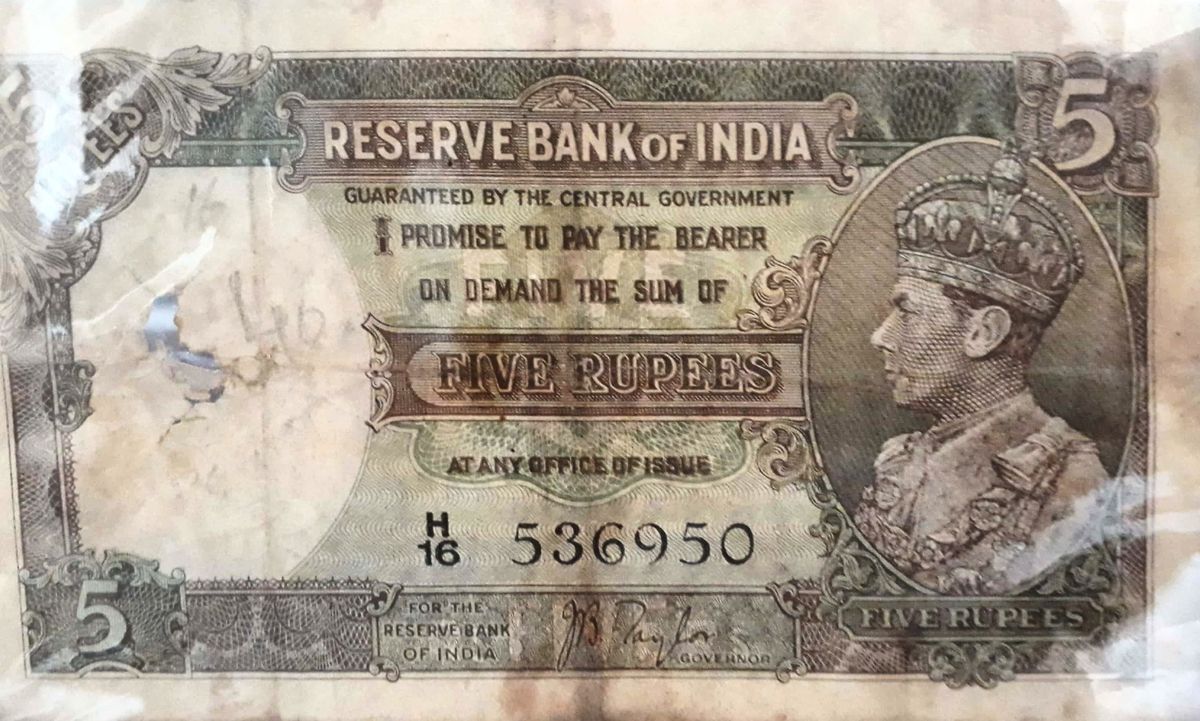
King of the United Kingdom and last Emperor of India.

Anonymous Unknown author · Public domain
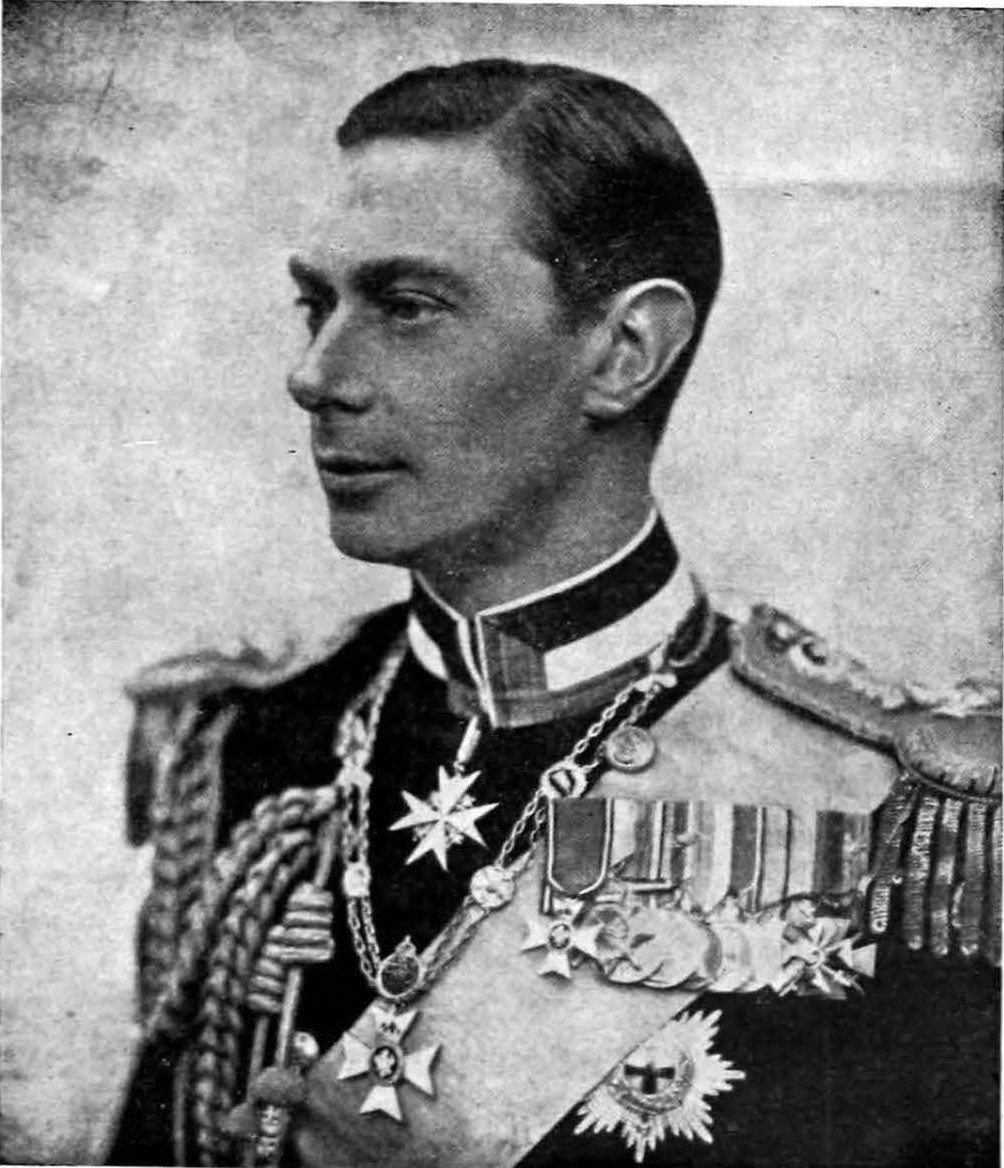
George VI was born Albert Frederick Arthur George on 14 December 1895 at York Cottage on the Sandringham Estate, during the reign of his great-grandmother Queen Victoria. His father was Prince George, Duke of York—later King George V—and his mother was the Duchess of York, later Queen Mary. Because his birth fell on the anniversary of the death of Prince Albert, the Queen Consort’s husband, there was some concern about her reaction; the Prince of Wales suggested naming the baby Albert to please her, which worked. He was baptised with that name at St Mary Magdalene Church in Sandringham in February 1896. Within the family he was called “Bertie.” At birth he was fourth in line to the throne, behind his grandfather, father, and older brother Edward.
As a child, Albert was often sick, easily frightened, and prone to tears. His parents kept their distance from day-to-day child-rearing, typical for aristocratic families then. He had a stutter that troubled him for years, was naturally left-handed but forced to write with his right hand, suffered from chronic stomach problems, and had knock knees that required painful corrective splints. When Queen Victoria died in January 1901, his grandfather became King Edward VII, and Albert’s father became heir to the throne. That March, his parents left on a long tour of the Empire, leaving Albert and his siblings with their grandparents, who spoiled them.
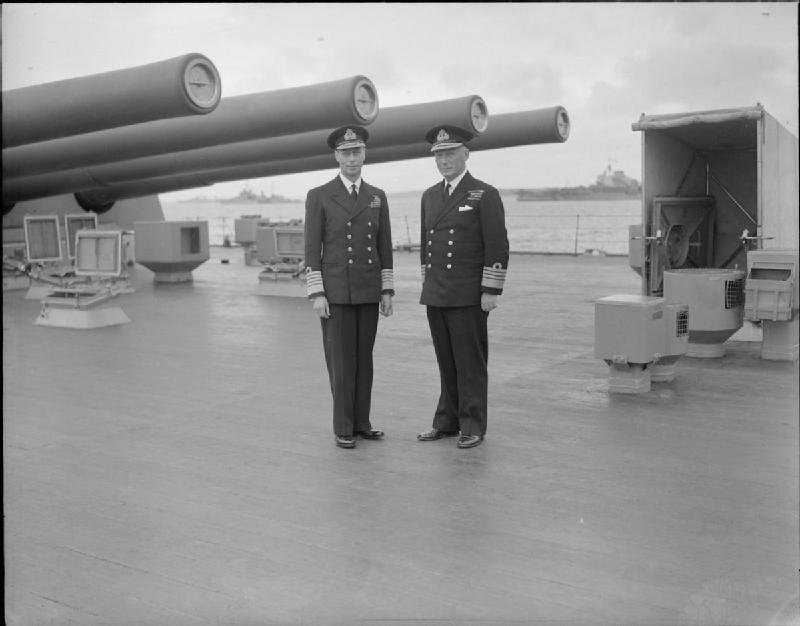
Albert entered the Royal Naval College at Osborne as a cadet in 1909. He finished last in his class on the final exam in 1911 but still moved on to the Royal Naval College at Dartmouth. His grandfather died in 1910, making his father King George V and his brother Edward the Prince of Wales; Albert became second in line. In early 1913 he spent six months on the training ship HMS Cumberland in the West Indies and off Canada’s east coast. He was made a midshipman on HMS Collingwood that September, served three months in the Mediterranean, but never got over his seasickness.
He served in the Royal Navy and Royal Air Force during the First World War. In 1920 he was made Duke of York. He married Lady Elizabeth Bowes-Lyon in 1923; they had two daughters, Elizabeth and Margaret. In the mid-1920s he began working with speech therapist Lionel Logue to manage his stutter, with some success. His father died in 1936, and his elder brother became King Edward VIII—but Edward abdicated
- born
- 14 December 1895
- died
- 6 February 1952
- field
- Monarchy
- nationality
- British
- known_for
- King of the United Kingdom during World War II; last Emperor of India; first Head of the Commonwealth
Lore & Background
George VI was born at York Cottage on the Sandringham Estate during the reign of his great-grandmother Queen Victoria. He was named Albert after his great-grandfather Prince Albert and was known as 'Bertie' to his family. As the second son of King George V, he was not expected to inherit the throne. He attended naval college, served in the Royal Navy and Royal Air Force during the First World War, and was made Duke of York in 1920. He married Lady Elizabeth Bowes-Lyon in 1923, and they had two daughters, Elizabeth and Margaret. In the mid-1920s, he engaged speech therapist Lionel Logue to treat his stutter, which he learned to manage to some degree.
Reader's Guide
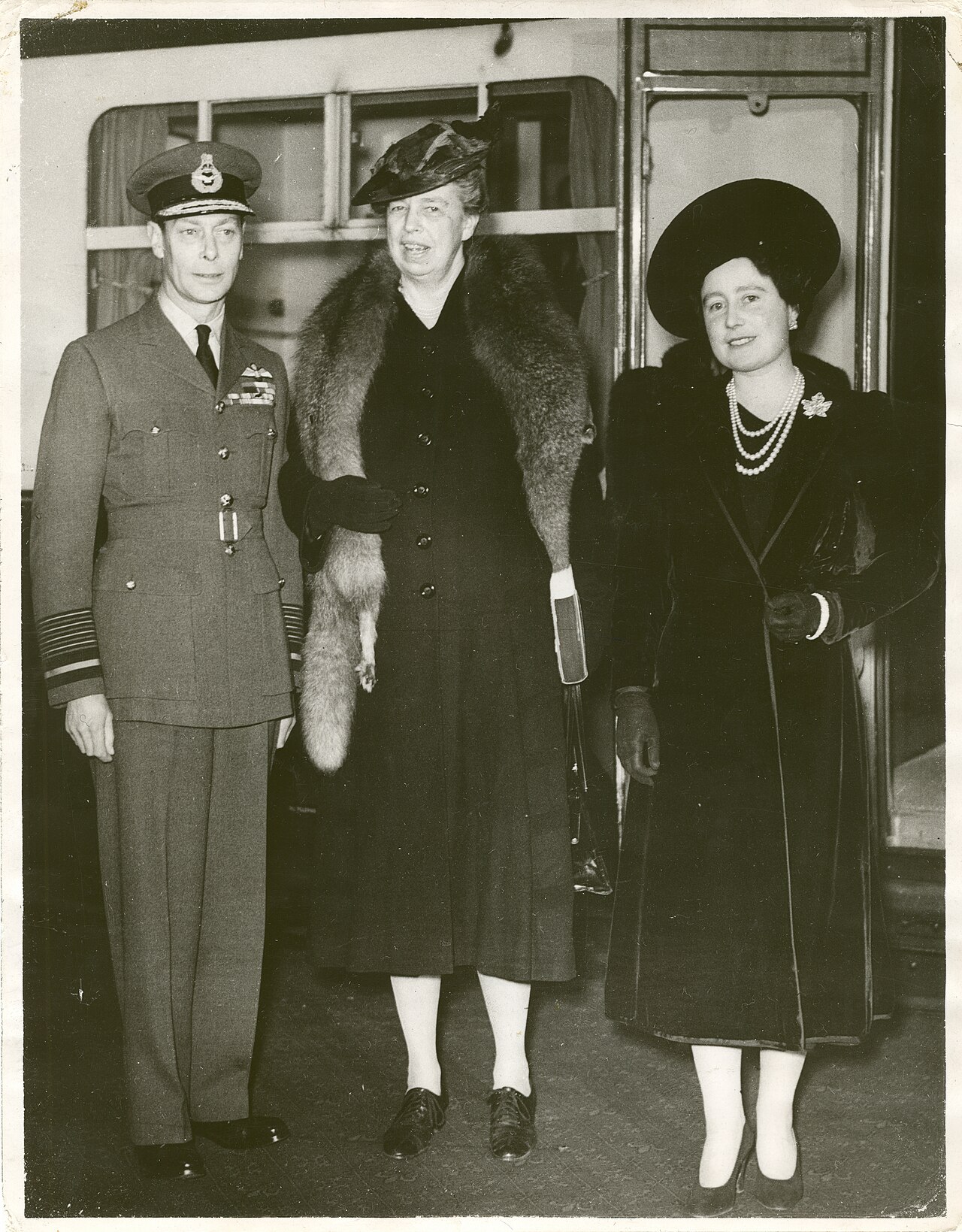
George VI's significance lies in his role as a symbol of British determination during World War II. After his brother Edward VIII abdicated to marry Wallis Simpson, George VI assumed the throne and led the nation through the war. Buckingham Palace was bombed during the Blitz while he and the queen were there, and his younger brother the Duke of Kent was killed on active service. His popularity soared as he was seen sharing the hardships of the common people. After the war, the British Empire declined, with Ireland largely breaking away and India and Pakistan gaining independence in 1947. He relinquished the title of Emperor of India in June 1948 and adopted the new title of Head of the Commonwealth. He died of a coronary thrombosis at Sandringham House, aged 56, and was succeeded by his elder daughter, Elizabeth II.
Did You Know?
- He was the first member of the British royal family to be certified as a fully qualified pilot.
- He played at Wimbledon in the Men's Doubles in 1926, losing in the first round.
- His birth date coincided with the 34th anniversary of the death of his great-grandfather Prince Albert.
- He was mentioned in dispatches for his actions as a turret officer aboard HMS Collingwood at the Battle of Jutland.
The Quiet End at Sandringham
George VI's final hours were unremarkable in the way that makes them devastating. After a lung operation in September 1951 from which he never fully recovered, he sat down to an evening meal with his family at Sandringham House on 5 February 1952, then retired to bed at half past ten. He died in his sleep before dawn. His valet found him at 7:30 in the morning, and the news was telephoned to Buckingham Palace under the code "Hyde Park Corner" so that switchboard operators would not learn the truth. It was not until 11:15 that BBC newsreader John Snagge spoke the words "It is with the greatest sorrow that we make the following announcement" into a radio microphone, repeating the bulletin every fifteen minutes seven times before the airwaves fell silent for five hours. The House of Commons convened at 11:58 to mourn, then waited for the Accession Council to confirm Elizabeth as the new sovereign at five o'clock that same afternoon.
A Coffin's Journey Through Britain
The physical passage of George VI's body from Norfolk to Windsor was a carefully choreographed relay spanning several days. Dressed in a Royal Navy uniform and sealed in an oak coffin grown on the Sandringham estate, the king lay first in St Mary Magdalene Church, the small parish where he had worshipped. On 11 February his widow placed a wreath atop the Royal Standard draped over the lid before the coffin was loaded onto a gun carriage of the King's Troop, Royal Horse Artillery. His brother the Duke of Gloucester and son-in-law the Duke of Edinburgh walked behind it on foot; the new queen, Princess Margaret, and the Queen Mother followed by car. At Wolferton station, eight Grenadier Guards transferred the coffin into the very railway carriage that had carried George V on the same route a generation earlier. In London the procession wound to Westminster Hall, where the king lay in state for three days and some 304,000 mourners filed past, queues stretching as far as four miles. From Paddington, the coffin rode a gun carriage hauled by Royal Navy seamen to Windsor, where it was interred in the royal vault at St George's Chapel.
A Nation in Grief
The mourning that followed George VI's death touched every corner of British life and spilled well beyond its borders. The Great Tom bell at St Paul's Cathedral tolled every minute for two hours, joined by the bells of Westminster Abbey. At Windsor Castle, the Sebastopol Bell—a Crimean War trophy rung only upon a royal death—was struck fifty-six times, one for each year of the king's life. Rugby and hockey fixtures were cancelled, while football matches went ahead preceded by the national anthem and the hymn "Abide with Me." Memorial services were held in churches of every denomination across the country and in communist states abroad. Australia, Canada, New Zealand, and India all declared periods of national mourning. Yet the grief was not uniform. Social researchers from Mass-Observation recorded a sixty-year-old woman complaining that the pervasive gloom was terrible for the sick and elderly, and in a Notting Hill bar a fight erupted after a man declared the king was "only shit and soil now like anyone else." Even the Earl Marshal's offices at St James's Palace, caught mid-renovation, had scaffolding stripped and phones and heating installed in a single afternoon so the funeral could proceed.
The Chapel and the Century After
George VI's funeral procession became the first of a British sovereign to be broadcast on television, an event that may have triggered a wave of television set purchases across the country. The king's remains initially rested in the royal vault at St George's Chapel, Windsor, but in 1969 his body was moved to the newly constructed King George VI Memorial Chapel within the same chapel complex. Over the following decades the chapel became the final resting place for an extraordinary span of the royal family. In 2002 his widow, the Queen Mother, was laid to rest beside him, followed shortly by the ashes of his daughter Princess Margaret, who had died in March of that year. Then, in September 2022, after the passing of Queen Elizabeth II and her husband Prince Philip—who had died in April 2021—both were interred in the same chapel, and the ledger stone was altered to reflect their presence. In a single stone room, four generations of the House of Windsor were gathered, a quiet testament to the family's continuity across seven decades.
Gallery
More in Royalty And Heads Of State 1-24
Elsewhere in the Royalty And Heads Of State universe
Spotted an error? Know more?
This is a living reference — every entry is fact-audited, and reader corrections feed straight into our audit queue. Suggest an edit · See this site's audit record