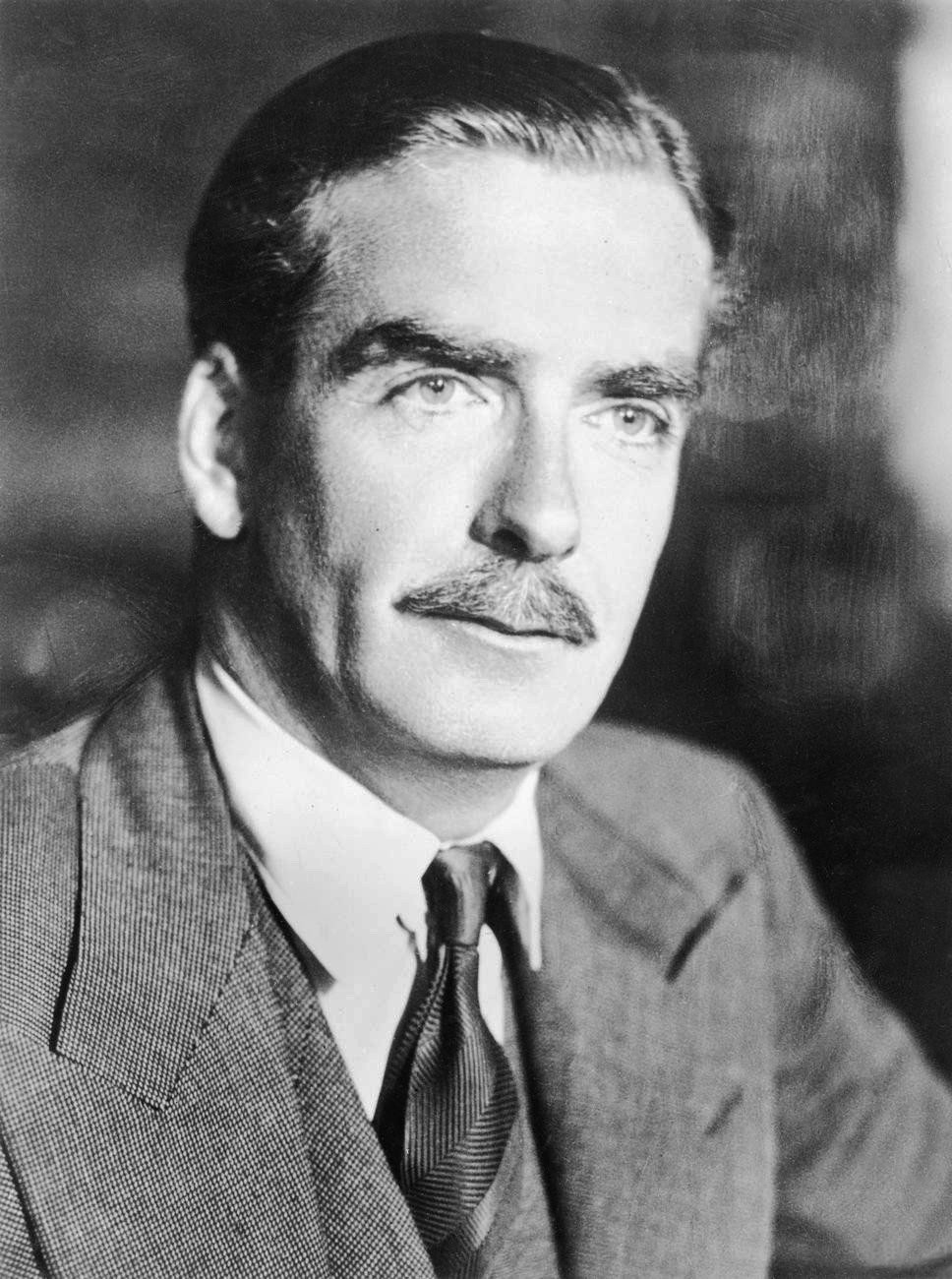
Anthony Eden
British prime minister whose reputation was overshadowed by the Suez Crisis.

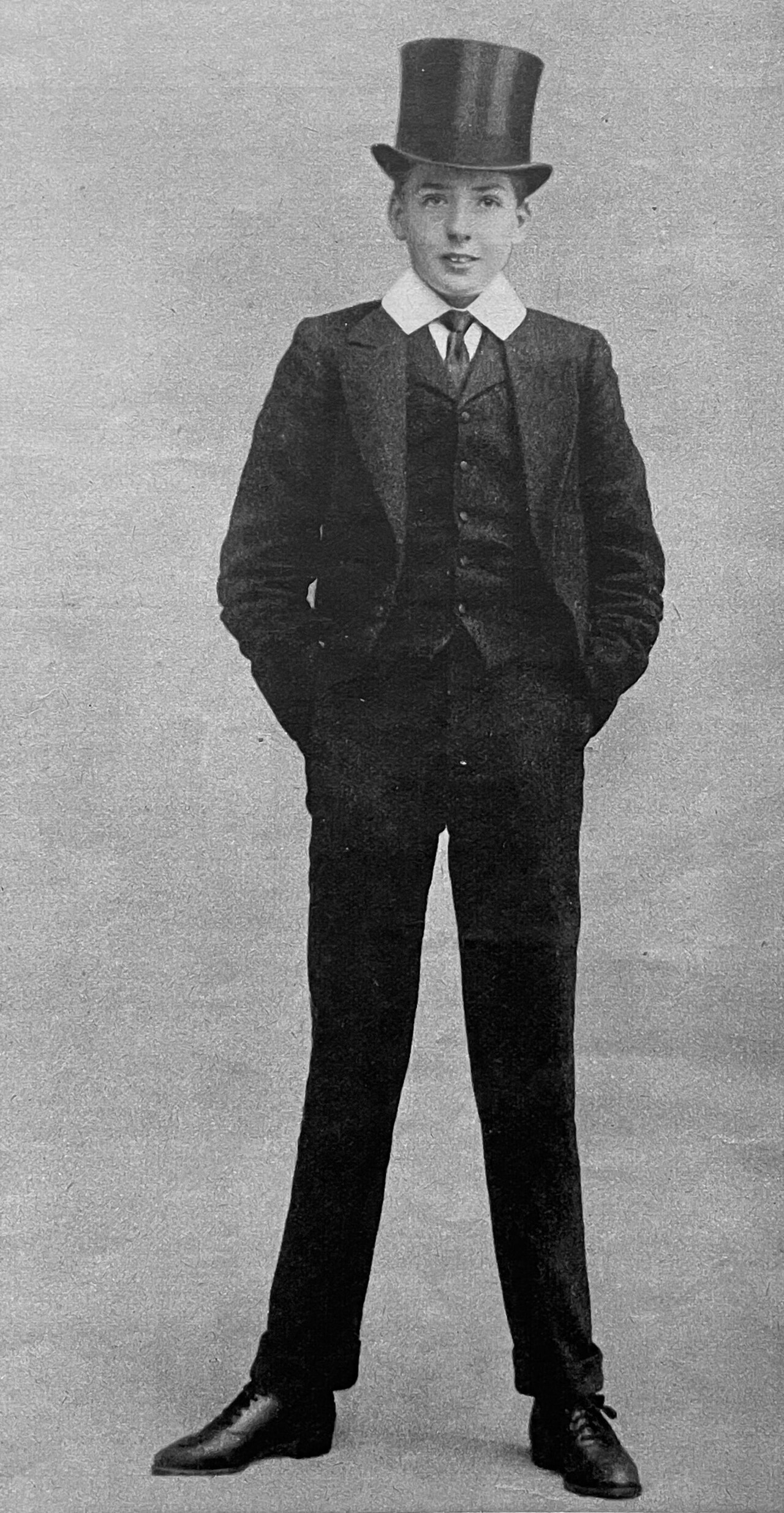
Alfred Douglas Kissack d.1944 · Public domain
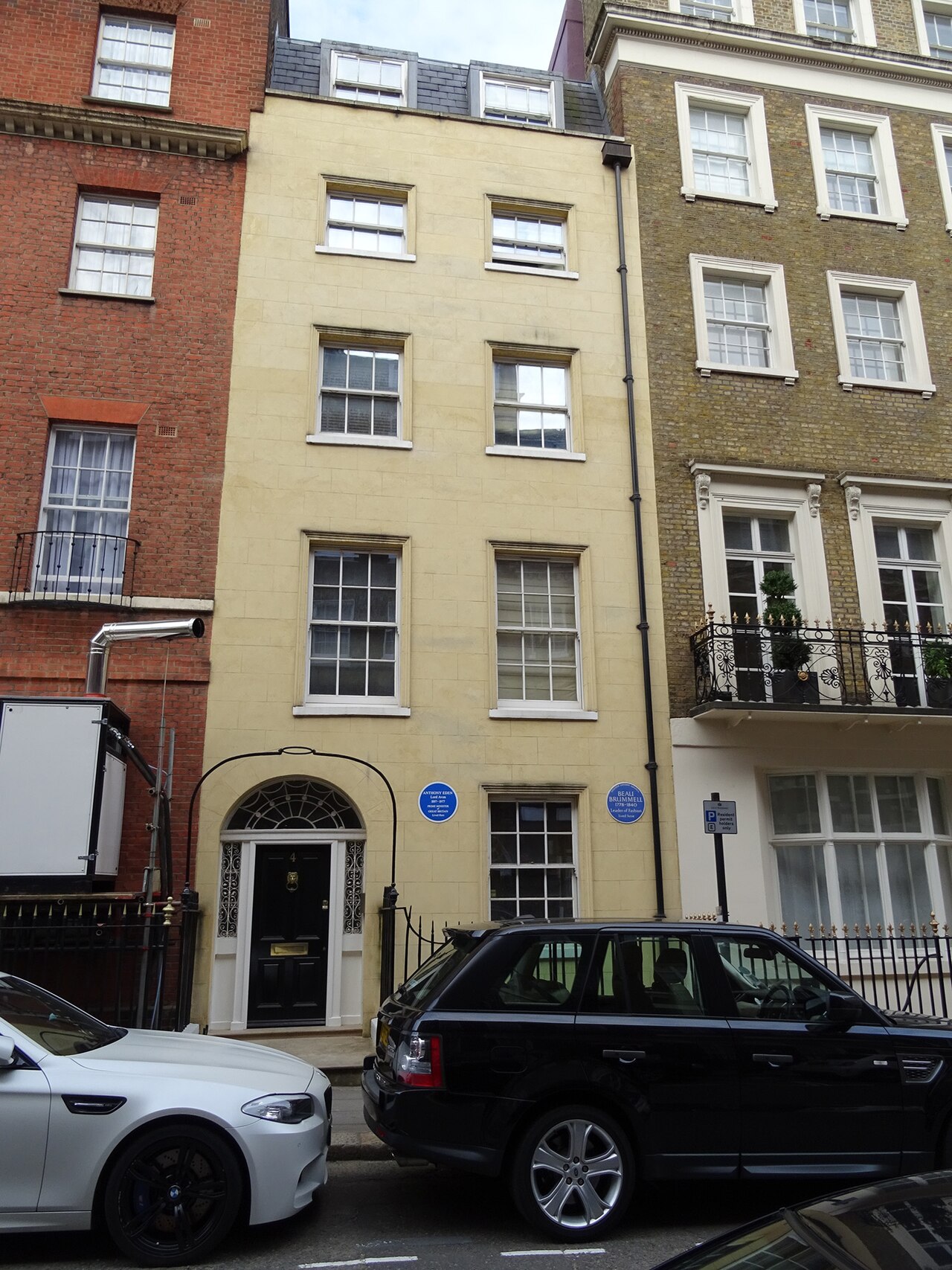
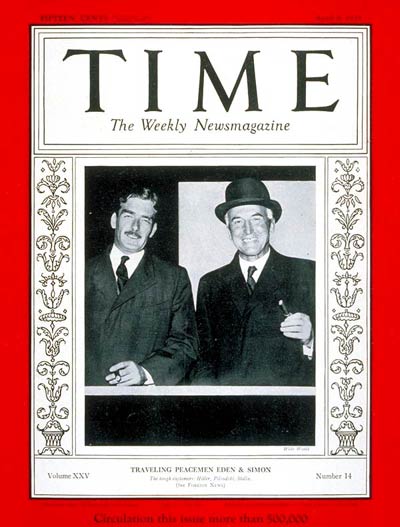
Robert Anthony Eden, 1st Earl of Avon, was a British politician, diplomat, and soldier who led the country as prime minister and Conservative Party head from 1955 to 1957. Born on 12 June 1897, he died on 14 January 1977. As a young Conservative MP, he rose quickly through the ranks, becoming foreign secretary at 38. He quit that post in February 1938 to protest Neville Chamberlain’s policy of appeasing Nazi Germany and fascist Italy. Eden later returned to the foreign secretary role for most of World War II and again in the early 1950s. After serving as Winston Churchill’s deputy from 1951 to 1955, he took over as prime minister and party leader in 1955, winning a general election about seven weeks later.
Eden’s diplomatic skill was largely forgotten after the 1956 Suez Crisis. The United States refused to back the Anglo-French military intervention, and critics from all parties saw the episode as a major blow to British foreign policy, marking the end of British influence in the Middle East. Most historians believe Eden made several errors, especially underestimating how strongly the US opposed military action. Two months after calling off the Suez operation, he resigned as prime minister, citing ill health and because many suspected he had misled Parliament about the extent of collusion with France and Israel.
Eden is widely viewed as one of the least successful British prime ministers of the 20th century, though two sympathetic biographies have somewhat softened this judgment. He was the first of fifteen prime ministers appointed by Queen Elizabeth II during her seventy-year reign.
**Family** Anthony Eden was born on 12 June 1897 at Windlestone Hall, County Durham, into a conservative landowning family. He was the third of four sons of Sir William Eden, a baronet, and Sybil Frances Grey, from the prominent Grey family of Northumberland. Sir William, a former colonel and magistrate, was an eccentric, often ill-tempered man who painted watercolours and portraits and collected Impressionists. Eden’s mother had wanted to marry Francis Knollys, later a key royal adviser, but the Prince of Wales forbade the match. Though popular locally, she had a strained relationship with her children, and her spending ruined the family fortune, forcing Eden’s elder brother Tim to sell Windlestone Hall in 1936. Rab Butler later joked that Eden—handsome but bad-tempered—
- born
- 12 June 1897
- died
- 14 January 1977
- field
- Politics, diplomacy, military
- nationality
- British
- known_for
- Prime Minister during the Suez Crisis; foreign secretary under Churchill
Lore & Background
Robert Anthony Eden was born on 12 June 1897 at Windlestone Hall, County Durham, into a conservative family of landed gentry. He was the third of four sons of Sir William Eden, 7th and 5th Baronet, and Sybil Frances Grey. Eden was educated at Sandroyd School and Eton College, excelling in languages, cricket, rugby, and rowing. During the First World War, he served with the King's Royal Rifle Corps, was commissioned as a temporary second lieutenant, and was awarded the Military Cross for leading a raid near Ploegsteert. He became the youngest adjutant on the Western Front at age 19.
Reader's Guide
Eden's significance lies in his rapid rise as a Conservative statesman and his tenure as prime minister during the Suez Crisis of 1956. His reputation as a skilled diplomat was overshadowed when the United States refused to support the Anglo-French military response, which critics across party lines regarded as a historic setback for British foreign policy, signalling the end of British influence in the Middle East. Most historians argue he made a series of blunders, especially not realizing the depth of American opposition. He resigned two months after ordering an end to the Suez operation, on grounds of ill health and because he was widely suspected of misleading the House of Commons over collusion with France and Israel. Eden is generally considered among the least successful British prime ministers of the 20th century, though two broadly sympathetic biographies have shifted opinion somewhat. He was the first of fifteen British prime ministers appointed by Queen Elizabeth II.
Did You Know?
- Eden was the second of fifteen British prime ministers appointed by Queen Elizabeth II in her seventy-year reign, after Winston Churchill.
- He was awarded the Military Cross for leading a raid near Ploegsteert during World War I.
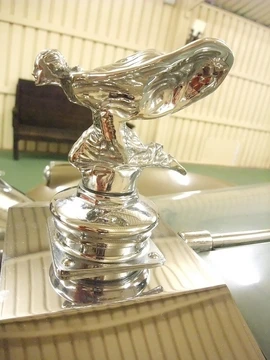
The Humber Pullman: Eden's Official Motor
The Humber Pullman stands as the prime ministerial vehicle associated with Anthony Eden's tenure in office. According to the documented record of British prime ministerial cars, Eden is listed among a distinguished group of office-holders who relied on this model, alongside Winston Churchill, Clement Attlee, Harold Macmillan, and Alec Douglas-Home. The vehicle formed part of the operational fleet administered by the Government Car Service, which falls under the oversight of the Cabinet Office. These official cars were stored and maintained at 10 Downing Street, the very residence where Eden would have conducted his duties as prime minister. The drivers assigned to such vehicles were officers from the Metropolitan Police Royalty & Specialist Protection branch, trained in the demanding skills of protection convoy driving, anti-hijack procedures, and evasive manoeuvres. For Eden, as for his predecessors and successors in this particular lineage, the Humber Pullman was not merely a mode of transport but a symbol of the office itself, connecting his premiership to a broader tradition of British governance.
A Vehicle Shared Across an Era of Premierships
The Humber Pullman was not exclusive to any single prime minister. The documented record places Anthony Eden in a line of five office-holders who all relied on this particular model for their official duties: Churchill, Attlee, Eden, Macmillan, and Douglas-Home. This shared usage suggests a period in British political history when the same vehicle served multiple consecutive or near-consecutive premierships, reflecting both the practical economics of government car procurement and a sense of institutional continuity. The Humber Pullman was eventually succeeded by the Humber Super Snipe, which served Macmillan, Douglas-Home, and Harold Wilson before giving way to the Rover P5 in the 1960s. Eden's association with the Pullman thus anchors him to a specific chapter in the long evolution of prime ministerial transport, one that preceded the Jaguar XJ era of the 1980s and the modern armoured Range Rover Sentinel and Audi A8L fleet of the present day.
The Machinery Behind the Motorcade
While Anthony Eden's name is attached to the Humber Pullman in the official record, the vehicle was part of a far larger operational apparatus. The Government Car Service, overseen by the Cabinet Office, was responsible for administering and operating all prime ministerial and ministerial limousines. These vehicles were stored and maintained at 10 Downing Street, the seat of the premiership. The drivers were not ordinary chauffeurs but officers from the Metropolitan Police Royalty & Specialist Protection branch, specifically trained in protection convoy procedures, anti-hijack tactics, and evasive driving. Any journey undertaken by the prime minister's car would have been accompanied by three to four unmarked escort vehicles and at least nine to ten RaSP officers, with the additional capability to deploy motorcycle outriders from the Metropolitan Police Special Escort Group for swift and secure travel. This protective infrastructure, though perhaps invisible to the public, was the essential framework within which Eden's official movements were conducted.
Eden in the Long Lineage of Prime Ministerial Motors
Anthony Eden's use of the Humber Pullman places him within a remarkable chronological sequence of prime ministerial vehicles that spans decades of British political history. The documented lineage runs from the Humber Pullman of the Churchill, Attlee, Eden, Macmillan, and Douglas-Home era, through the Humber Super Snipe of the Wilson years, to the Rover P5 that served from the 1960s through the Thatcher premiership. The Jaguar XJ range then dominated from the early 1980s onward, with successive models serving Blair, Brown, Cameron, May, and Johnson. The current era sees the armoured Range Rover Sentinel and, since 2023, the Audi A8L serving Sunak, Starmer, and Burnham. Eden's Humber Pullman thus represents the earliest documented chapter in this unbroken chain of official prime ministerial transport, a lineage that has continued without interruption to the present day.
Gallery
More in Royalty And Heads Of State 1-24
Elsewhere in the Royalty And Heads Of State universe
Spotted an error? Know more?
This is a living reference — every entry is fact-audited, and reader corrections feed straight into our audit queue. Suggest an edit · See this site's audit record